Xps 14 2024 Honest Review — Is the Hype Justified?
I've been using the Xps 14 2024 as my daily laptop for the past six months. I bought it because I wanted a balance between a compact, highly portable notebook and a machine that could actually handle creative work without turning into a hot buzzing brick. After everyday productivity, photo editing, light video work, and travel, here is my honest take: what I loved, what I didn’t, and whether the hype around this machine is warranted.
Why I chose the Xps 14
Before I bought the Xps 14, I had a wishlist: a bright, color-accurate screen; a keyboard I could type on for hours; decent battery life; and enough performance to edit photos and cut short video projects without frequent external GPUs. I wanted something lighter than a 15-inch laptop but with a larger canvas than the ultra-portable 13-inch machines. The Xps 14 seemed to promise that sweet spot on paper, so I took the plunge.
Design & build: premium that shows up in daily use
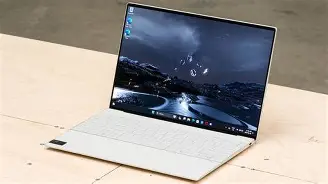
From the day I unboxed it, the Xps 14 felt like a premium device. The chassis is rigid; there’s little to no flex when I pick it up by a corner, and the hinge has a reassuring weight that keeps the display steady on the couch. The lid’s finish picks up fingerprints, but I quickly stopped worrying about that — it still looks good on a lap or a desk.
What I appreciated most was the combination of a relatively compact footprint with a near-14-inch usable screen area. It slips into a backpack easily and hasn’t been a burden on long flights. I noticed that the bottom has an intelligently designed vent layout that keeps airflow decent without being an eyesore.
Display: one of the highs — but not perfect
My configuration came with the high-end panel option, and in everyday use the screen is delightful. Colors are vivid, blacks are deep, and HDR content looks noticeably better than on most laptops in this size class. I edited photos on it and didn’t feel the need to step away to a larger monitor for color-critical work most of the time.
That said, two things stood out over time. First, the screen is glossy and reflective, which makes outdoor usage in bright sunlight more of a challenge than I expected. Second, while brightness is good indoors, it can struggle under direct midday sun. For indoor editing, watching films, and general productivity it’s excellent; for prolonged outdoor work, you’ll want a shaded spot.
Performance: practical power, with some thermal tradeoffs
In my experience, the Xps 14 handles everything I throw at it day-to-day. Browsing with dozens of tabs open, running Slack/Zoom, editing RAW photos, and compiling small projects — it keeps up smoothly. I also did short-form video editing and color grading; the laptop managed real-time scrubbing of 4K footage in a light timeline, but building exports and heavy effects still push it and cause fans to ramp up.
Thermals are the main tradeoff. Under sustained heavy loads the underside gets warm and the fans become noticeable. It's not unbearable, and noise rarely bothers me during focused work because I usually use headphones, but if you plan to run extended encoding jobs often, expect the machine to get loud and warm. For occasional creative bursts, it's a solid performer. For full-time content creation workflows, a larger chassis with stronger cooling will be quieter and cooler.
Battery life: solid day-to-day stamina
Battery life has been one of the most pleasant surprises. With mixed usage — document editing, web browsing, messaging, and the occasional photo edit — I routinely get 8 to 10 hours on a charge. When I push the machine with heavy video work or gaming, that drops to around 3 to 4 hours, which is expected.
I also appreciate the fast charging: a quick 30-minute top-up gives me a meaningful boost when I’m in transit. After six months of daily use, the battery still holds up well; I haven’t noticed a meaningful capacity drop compared to when I first bought it.
Shop the latest Electronics picks on Amazon.
Browse Now →Keyboard & trackpad: comfortable, but with small quirks
The keyboard is one of those things I immediately liked. Key travel is satisfying, and I can type long blog posts and emails without fatigue. The layout is logical, and the key feedback is consistent. One small annoyance: the arrow cluster is compact, which caused a couple of accidental presses early on, but I adjusted quickly.
The trackpad is large and precise. Windows gestures worked reliably, and I didn’t experience any stuttering or missed taps. Finger oil shows up on the glass surface, but it cleans off easily.
Ports & connectivity: mostly sensible, some compromises
Port selection is pragmatic. You get high-speed Thunderbolt/USB-C options that are great for docks and external GPUs, and there’s a headphone jack. I relied on an adapter for a couple of trips when I needed full-size HDMI or multiple USB-A devices at once, but that’s a trade many ultraportables make for thinness.
Wi‑Fi and Bluetooth have been stable for me; I’ve had no drops or weird latency spikes during video calls. The integrated webcam is usable for calls, but it won…
Audio: better than average, but not a studio
The speakers surprised me. For a 14-inch chassis, they deliver a fuller sound than I expected with decent mids and a passable bass presence. Listening to music or watching shows on a flight was genuinely enjoyable. That said, they’re not reference-grade — for music production or critical listening I use headphones or external speakers. The microphone array is fine for meetings, but in noisy environments you may notice the background is picked up more than on high-end external mics.
Software and daily use experience
Out of the box, the machine came with a handful of preinstalled utilities. I disabled the ones I didn’t need and it has otherwise behaved smoothly. Windows updates were a couple times disruptive during important workdays, so I learned to schedule heavy updates for evenings. Performance after a few months remains snappy; I didn’t experience the sluggish slowdown some older systems develop.
Repairability and upgrades
I opened the bottom once to check the SSD and RAM layout. The SSD is user-replaceable in most configurations, which I appreciate, but RAM is soldered on in many builds — so choose your memory wisely at purchase. The repairability is decent for a modern thin-and-light machine, but it’s not service-center-friendly to the degree of older thicker laptops.
What I liked (specifics)
- Display quality: The higher-end panel makes photo editing and streaming a joy; colors feel accurate and contrast is strong.
- Build and portability: Sturdy chassis and a compact footprint that still gives you a comfortable keyboard and a larger screen.
- Battery life: Real-world all-day use without being tethered to the charger for typical productivity tasks.
- Trackpad and typing experience: Comfortable keyboard and a precise, roomy trackpad.
- General performance: Capable for mixed workflows, photo editing, and light video work.
What disappointed me (specifics)
- Thermals under sustained load: Fans get loud and the bottom warms considerably during extended renders or exports.
- Outdoor screen reflections: Glossy finish and limited peak brightness make working in bright sun inconvenient.
- Webcam quality: Usable for meetings, but not great in low light and lacks detail for content creation.
- Limited legacy ports: You’ll likely need a dongle for HDMI or multiple USB-A devices on the go.
Pros & Cons
- Pros:
- Premium, compact build that still feels robust
- Excellent display for color work and media
- Solid everyday battery life and fast charging
- Comfortable keyboard and accurate trackpad
- Cons:
- Fans can be loud under heavy sustained workloads
- Reflective screen and middling outdoor brightness
- Webcam is average — external camera needed for high-quality video
- Some configurations limit future RAM upgrades
Quick comparison: Xps 14 (2024) versus similar laptops
| Model | Display | Weight & Portability | Battery (real-world) | Best for |
|---|---|---|---|---|
| Xps 14 (2024) | High-quality 14" panel option; excellent color and contrast, glossy finish | Very portable — pocketable for travel, but larger than 13" ultrabooks | 8–10 hours mixed usage | Traveling professionals who edit photos and need a premium screen |
| Xps 13 (2024) | Smaller 13" panels, similar quality in top configurations | More compact and lighter than the 14" | Similar or slightly better battery due to smaller screen | Users prioritizing ultimate portability over screen real estate |
| Lightweight 14" competitors | Varies: some offer matte options or brighter screens | Comparable | Varies widely by vendor and CPU efficiency | Buy if you want a specific port selection or matte display |
Who should buy the Xps 14?
In my experience, the Xps 14 is best for people who want a premium-feeling, portable laptop with a larger-than-13-inch screen that still travels well. If you’re a photographer, content creator doing occasional video, or a professional who values display quality and build, this is a compelling choice. If you need long, quiet rendering sessions or you work outside in direct sunlight a lot, consider a larger workstation or a laptop with a brighter, matte panel.
Buying guide: what to choose and what to watch for
1. Choose the right display
If color accuracy matters to you (photo editing, design), opt for the higher-end panel. It makes a real difference. If you spend a lot of time outdoors, look for configurations with higher peak brightness or consider an anti-glare protector.
Looking for the best Electronics deals on Amazon?
View Offers →2. Memory and storage
Decide your RAM at purchase. In my unit, RAM was soldered, so upgrading later wasn’t an option. If you frequently run multiple heavy apps (VMs, large Photoshop files, video timelines), choose more RAM from the start. Pick a fast NVMe SSD and a size that covers your main projects; the SSD is usually replaceable, but it’s best not to assume you’ll be upgrading it often.
3. Ports and dongles
Think about your peripherals. If you frequently plug in HDMI or several USB-A devices, factor a small dock or adapter into your setup — it’s a minor annoyance but one I quickly adapted to.
4. Cooling expectations
If you regularly run long renders or batch processing, either accept that the laptop will get loud and warm or choose a larger machine with better cooling. For bursts of creative work, the Xps 14 handles tasks very well.
5. Warranty and support
Consider an extended warranty if you travel a lot with your machine. I had a minor hardware hiccup in month four and found that having coverage reduced the stress and downtime.
Final thoughts — is the hype justified?
After six months of using the Xps 14 every day, I’d say the hype is largely justified. The combination of build quality, display, and portability hits a sweet spot that many laptops try to reach but don’t quite nail. The machine feels premium and capable in ways that matter daily: the screen makes work and media pleasurable, the keyboard is comfortable for long writing sessions, and the battery life means I’m not constantly hunting for outlets.
That said, it’s not perfect. The thermal behavior under prolonged heavy workloads and the reflective screen are real drawbacks depending on your use case. The webcam is serviceable but not exceptional. These are caveats rather than deal-breakers for me, but they might be for some buyers.
In my experience, if you want a polished 14-inch laptop that balances mobility with practical performance and a lovely screen, the Xps 14 2024 is a very strong option. If your work consistently demands silent, heavy rendering or you need bright, matte outdoor viewing, look at alternatives engineered specifically for those needs. For everything else — daily productivity, creative bursts, travel, and streaming — I’ve been happy with this machine and would recommend it to others who have similar priorities.