Is the Cheap Wireless Earbuds Still Good in 2026? Long-Term Review
I've been using a pair of cheap wireless earbuds (the kind you can grab for under $40) for roughly eight months now, and this is my long-term take. Early impressions and quick unbox reviews are everywhere, but what matters to me—and what I think matters to most people—is how a budget pair performs after real, everyday use: commuting, workouts, phone calls, streaming, and just living with them in pockets and bags. I bought mine late in 2025 as a backup/pair-for-gym option and ended up using them far more than I expected. What I found was a mix of pleasant surprises and frustrating compromises. Below I walk through the details from my experience, give you a straight-up list of pros and cons, compare them to mid-range and premium alternatives, and then offer a practical buying guide so you can decide whether cheap earbuds make sense for you in 2026.
Why I bought cheap earbuds (and how I used them)
I wanted a low-cost pair for three reasons: 1) a dedicated workout pair that I wouldn't stress about if they got sweaty or dropped, 2) a set to keep in my bag for travel or when I didn't want to carry the pricier buds, and 3) curiosity—could a <$40 set be "good enough" for music, podcasts, and calls in 2026 when Bluetooth and battery tech are more mature?
My typical usage pattern: 45–60 minute commutes (music at 60–75% volume), several 30–60 minute gym sessions per week, hands-free calls (daily), and longer listening sessions at home. I also tested them with video calls and streaming video to judge latency, and I left them in an everyday carry pouch to simulate real-life wear and tear.
Build quality and design: what I appreciated (and what annoyed me)
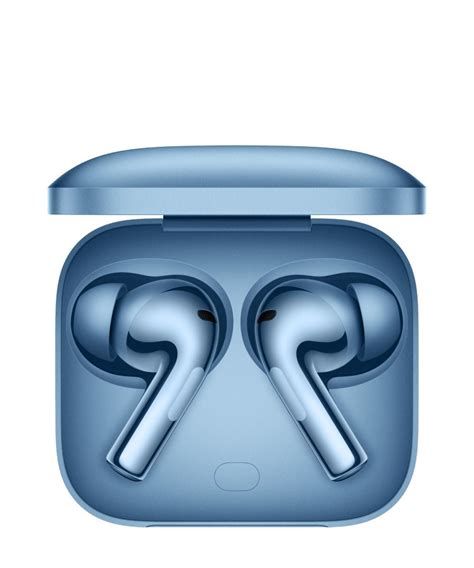
Out of the box, the build quality felt like what you'd expect at this price point: lightweight glossy plastic, a compact charging case, and a selection of silicone tips. I appreciated how small the case was—easy to slip into a pocket—and the earbuds themselves were unobtrusive and comfortable for long listening sessions once I found the right tips.
Specific things I appreciated:
- Comfort: With the right ear tips, the earbuds sat snugly. I could wear them for 2–3 hours without significant fatigue.
- Compact case: The case design made them pocketable and easy to stash in a small bag.
- USB-C charging: My pair used USB-C (no wireless charging), which is convenient in 2026—no more micro-USB nonsense.
Things that bothered me and felt like real owner problems:
- Flimsy finish: The glossy plastic scratched and picked up scuffs within a few weeks. It’s cosmetic, but noticeable.
- Loose hinge after months: The case hinge became a bit wobbly after heavy use—still functional, but not confidence-inspiring.
- Touch controls are inconsistent: I often mis-triggered play/pause when adjusting them, and long-press gestures were hit-or-miss.
Sound quality: realistic expectations
Sound is where cheap earbuds tend to split opinion. In my experience, these earbuds were tuned for casual listeners: they give you an immediate, enjoyable sound without the refinement of pricier models.
How they actually sounded to me:
- Bass: Emphasized and punchy. Good for pop, hip-hop, and podcasts. If you like bass-forward tunes, you'll enjoy them.
- Mids: Slightly recessed. Vocals can feel a touch pulled back, especially on dense mixes.
- Highs: Adequate but not detailed. At higher volumes, some sibilance appears on female vocals and cymbals.
- Soundstage & Detail: Narrower than mid-range earbuds. Instruments lack separation and micro-details are softened.
In plain terms: these earbuds are fun, not revealing. For my daily commute and gym playlists, they were fine. For critical listening—classical, jazz, or anything where you want nuance and separation—I found them lacking. I tried some EQ tweaks on my phone (boosting mids and trimming sub-bass) and that helped a lot, so if you use an equalizer, you'll get more from them.
Battery life and charging: real numbers after months of use
The advertised battery life for cheap earbuds is often optimistic. Mine listed about 5 hours per earbud and 20 hours with the case. After eight months, here's what I observed in real-world use:
Shop the latest Audio & Headphones picks on Amazon.
See Deals →- Single-charge playback: About 4–4.5 hours at moderate volume (60–70%). In the first month I reliably saw closer to 5 hours, so there was a slight decline over months.
- Total with case: I got roughly 15–18 hours total from full case cycles (about three top-ups). Not the 20+ hours the box promised, but usable.
- Charge time: Case to full in about 1.5–2 hours; earbuds themselves fast-charge—10–15 minutes gives ~45 minutes playback.
- Battery health: A modest drop in capacity after months—common with small lithium cells. Nothing catastrophic, but if you rely on maximal runtime, expect degradation.
Connectivity, latency, and call quality
Pairing was straightforward: a quick single-device pairing and consistent reconnection to my phone. The Bluetooth connection held steady across rooms, but walls and other electronics increase dropouts. I tested video sync and gaming: audio latency is noticeable for competitive gaming or lip-sync-critical video. For casual video watching and most mobile games, it was acceptable.
Call quality is where cheap earbuds usually reveal their limitations. My experience:
- Indoors (quiet): Calls were clear and understandable. People reported I sounded "small but fine."
- Outdoors/windy environments: The mic became muffled and wind noise frequently interfered. If your job involves many outdoor calls, these will disappoint.
- Noise suppression: Passive only—no active call noise cancellation. Background noise bleeds in.
Durability and daily wear
After eight months of daily carry and gym use, the earbuds still function but show wear. The physical finish took scratches, the right bud has a faintly looser fit than the left (common manufacturing variance), and the case hinge is the one physical complaint that grew over time.
Water and sweat resistance: they survived many workouts and light rain because of an IPX4-like tolerance. I wouldn't submerge them or shower with them. If you sweat heavily or do long outdoor runs in rain, consider higher-rated models.
Software, firmware, and features
These cheap earbuds had minimal software support—no companion app, no firmware update channel, and only basic touch co…Pros & Cons
- Pros:
- Very affordable — great value for casual use or as a backup pair.
- Comfortable once fitted with the correct ear tips.
- Pocketable charging case and USB-C charging.
- Punchy bass and enjoyable for modern, compressed music genres.
- Good battery life for the price after realistic testing (4–4.5 hours/bud).
- Cons:
- Inconsistent touch controls and occasional accidental presses.
- Recessed mids and limited detail—less ideal for acoustic or classical music.
- Microphone performance is weak in windy/outdoor conditions.
- Case and finish show wear; hinge became loose after months.
- No app, firmware updates, or advanced codec support (SBC-only behavior observed).
Comparison: Cheap earbuds vs mid-range vs premium (at-a-glance)
| Feature | Cheap Wireless Earbuds (what I used) | Mid-range (~$80–$150) | Premium (>$150) |
|---|---|---|---|
| Price | Under $40 | $80–$150 | $150+ |
| Sound Quality | Fun, bass-forward, limited detail | Balanced, more detail, EQ options | High resolution, refined tuning, immersive soundstage |
| Battery (buds / total) | ~4–4.5h / ~15–18h | 5–7h / 25–35h | 6–9h / 30–40+h |
| ANC & Noise Control | No ANC; passive isolation | Basic to good ANC | Advanced ANC with adaptive modes |
| Call Quality | Okay indoors; poor outdoors | Good; often includes wind reduction | Excellent; multi-mic beamforming |
| App & Updates | None | Usually yes (EQ, firmware) | Yes — frequent updates, advanced settings |
| Durability & Warranty | Basic; short warranties | Better build; standard warranties | Premium build and often extended support |
Buying guide: what to consider in 2026
If you're thinking about buying budget earbuds in 2026, here are the practical factors I considered during my purchase and what I would recommend you prioritize depending on your needs.
1. Intended use
Ask yourself what you’ll use them for most. If you want earbuds for commuting, gym, and casual listening, cheap earbuds are often perfectly adequate. If you need them for important business calls, long-haul travel with ANC, or critical listening, consider stepping up.
2. Fit and comfort
Comfort beats spec sheets. Look for multiple ear tip sizes and read reviews specifically mentioning long-wear comfort. I found that one of the keys to getting good sound from cheap buds is ensuring a proper seal with the right tip.
3. Codec & latency
In 2026, some budget sets still ship with SBC-only Bluetooth. If you watch a lot of video or play games, look for support for low-latency modes or codecs (aptX Low Latency, LC3, etc.). If the listing doesn’t mention codecs, expect basic SBC behavior.
Find top-rated Audio & Headphones products at great prices.
Browse Now →4. Battery & charging
Check realistic battery claims in reviews, not promotional specs. Fast-charge features are very useful—10–15 minutes for an hour of playback is a lifesaver. Also confirm whether the case uses USB-C (I recommend it) and whether wireless charging is a must-have for you.
5. Microphone and call quality
If you take calls often, seek out user feedback on mic performance in outdoor and noisy environments. A cheap earbud that performs well indoors can still be unusable for walking-and-talking due to wind noise.
6. Durability and IP rating
For workouts, look for an IP rating. IPX4 is okay for sweat, IPX7 gives more confidence for runs in rain. Consider how the case will handle everyday abuse; some manufacturers skimp on hinge quality to hit a price.
7. Software support and warranty
Even a simple companion app can add EQ and firmware updates. Warranty and return policy matter—buy from a retailer or brand that offers reasonable returns in case your unit has defects.
8. Try before you commit
If possible, buy from a seller with a forgiving return policy. Comfort and sound are subjective; what I liked might not match your ears.
Practical tips to get the most from cheap earbuds
- Experiment with ear tips—proper seal transforms bass and clarity.
- Use an EQ on your phone to lift the mids and tame excessive bass if needed.
- Keep the case charged and avoid fully depleting the earbuds regularly to prolong battery life.
- Clean the contact pins and tips regularly—wax and sweat reduce charging reliability and sound quality.
- Accept the limitations: no firmware magic will suddenly add ANC or high-resolution codecs to an unsupported hardware platform.
Final thoughts and conclusion
After eight months of daily use, here's my bottom line: cheap wireless earbuds in 2026 can be a sensible, practical purchase—but they are exactly that: practical, not premium. I was surprised by how usable they became with simple adjustments like the right ear tips and a modest EQ. They handled commutes, workouts, and casual listening very well and remain my go-to for situations where I don't want to risk higher-end earbuds.
That said, the compromises are real. Call quality outdoors disappointed me more than I expected, the touch controls sometimes made simple tasks clumsy, and the long-term finish and hinge quality showed wear sooner than I would like. If your priorities are long battery life, active noise cancellation, superior call quality, or a refined sound signature, saving for a mid-range or premium set will pay dividends. But if you want something affordable, portable, and enjoyable for everyday non-critical listening—and you're willing to accept minor annoyances—cheap earbuds in 2026 still represent good value.
In my experience, they are not a replacement for a high-quality pair, but they are a very useful supplement: inexpensive, replaceable, and surprisingly capable for music and podcasts. I still reach for my premium buds for flights and long work calls, but the cheap pair lives in my gym bag and pocket, and they have earned that spot after months of honest use.