Don't Buy the Q70 Q70A Qled Until You Read This Full Analysis
For shoppers trying to find a mid-range 4K television that looks premium without drifting into flagship pricing, the Q70 Q70A Qled often appears near the top of the shortlist. It carries the appeal of Samsung’s QLED branding, promises strong brightness, modern gaming features, and a slim design that fits neatly into contemporary living rooms. On paper, it looks like the kind of television that could satisfy movie watchers, casual streamers, and next-generation console owners all at once.
But that first impression can be misleading. The Q70A is not a bad TV, yet it is also not the obvious buy that the branding may suggest. Buyers who assume every QLED set offers premium black levels, elite contrast control, or flagship HDR impact may come away disappointed. Others may find it a very smart purchase, especially if their priorities lean more toward bright-room viewing, low input lag, and general everyday use rather than home theater perfection.
This analysis takes a careful look at what the Q70 Q70A Qled actually offers, where it performs well, where it falls short, and who should seriously consider it. For anyone comparing it with competing mid-range sets or trying to determine whether it is worth the asking price, the details matter far more than the marketing label.
What the Q70 Q70A Qled Is Supposed to Be
The Q70A sits in a part of the market that many buyers find confusing. It is positioned above entry-level 4K TVs, but below the brand’s more advanced premium models. That means it aims to deliver a cleaner design, better color performance, and more gaming capability than basic televisions, while still staying accessible to mainstream buyers.
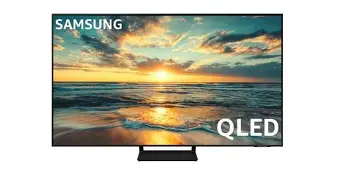
In practical terms, the television is designed for households that do a little of everything. It is intended to handle streaming apps, cable or sports, gaming consoles, and occasional movie nights without demanding a luxury budget. The QLED layer helps it produce vibrant color, and Samsung’s processing tries to keep lower-quality content looking sharper and cleaner on a 4K panel.
That positioning is important because many disappointments with this TV come from buying it for the wrong reason. Someone expecting mini-LED performance or OLED-like depth will judge it harshly. Someone wanting a bright, slim, responsive TV for mixed use may come away much happier.
Design, Build, and Everyday Living Room Appeal
One area where the Q70A makes a strong first impression is design. It looks more expensive than many similarly priced televisions. The slim chassis, relatively clean rear panel, and understated stand give it the kind of appearance that works well in apartments, family rooms, or wall-mounted media spaces.
For many buyers, appearance matters more than spec enthusiasts sometimes admit. A TV is often the visual anchor of a room. The Q70A fits modern interiors well, and Samsung generally keeps bezels minimal enough that attention stays on the screen rather than on the hardware framing it.
Its thinner body can also make wall mounting more attractive. In a den, bedroom, or open-plan living room, that sleek profile helps it avoid the bulkier look associated with lower-cost LED models. Households that value aesthetics alongside performance may see this as a real plus.
That said, slim design should not be confused with premium display technology. Manufacturers can build a thin TV that still makes compromises in backlighting and contrast. The Q70A is a good example of a television that looks upscale, while internally remaining more mid-range than high-end.
Picture Quality: Good in Some Conditions, Limited in Others
Picture quality is where the real buying decision begins. The Q70 Q70A Qled can deliver an attractive image, but its strengths depend heavily on the room and the content being watched.
Color Performance
One of the more appealing traits of the Q70A is color. QLED televisions typically aim for strong color volume and vivid presentation, and this model generally follows that pattern. Animated films, sports broadcasts, travel documentaries, and modern streaming content can look rich and lively. For buyers upgrading from an older budget LED TV, the set may feel like a major jump in visual polish.
This color performance helps in real-world households where the TV is used throughout the day for varied content. Children’s programming, YouTube videos, sports uniforms, and nature scenes often benefit from the more saturated, energetic look. Samsung’s processing also tends to lean toward a crisp and punchy presentation that many casual viewers enjoy immediately.
Brightness and Bright-Room Use
The Q70A is often more comfortable in bright rooms than darker home theater spaces. In living rooms with windows, overhead lighting, or daytime viewing habits, it usually holds up reasonably well. That matters because a large percentage of TV buyers are not watching in blackout conditions. They are watching afternoon sports, news, reality shows, or streaming series with sunlight entering the room.
In those situations, the Q70A’s screen can remain engaging and visible enough to satisfy most households. Buyers who mostly watch in bright or mixed lighting may value this more than deeper black levels.
Contrast and Black Levels
This is one of the most important caution points. The Q70A does not deliver the kind of black level performance that many shoppers assume from the QLED name alone. In dim rooms, darker scenes may look less convincing than expected. Blacks can appear more grayish, shadow depth is less dramatic, and scenes meant to feel cinematic may lose some impact.
For a buyer whose main habit is watching films at night with the lights low, this limitation becomes much more noticeable. Space scenes, moody thrillers, prestige dramas, and dark fantasy content are often where weaker contrast gives itself away. Instead of rich depth, the image can feel flatter and less immersive.
Find top-rated TVs & Home Theater products at great prices.
Shop Amazon →This does not mean the TV is unwatchable for movies. It means movie-first buyers should be careful not to overestimate its theater credentials.
HDR Performance
HDR is another area where expectations should be managed. The TV supports modern HDR formats used across streaming and discs, but support on paper is not the same as premium HDR impact in practice. Strong HDR depends on a combination of brightness, contrast control, and local dimming performance. The Q70A can show some highlights and color pop, but it may not produce the dramatic, high-contrast HDR experience buyers imagine when they hear terms like “cinematic” or “stunning.”
For general viewers, HDR content can still look better than standard dynamic range material. But demanding viewers who want striking specular highlights, deep shadow detail, and obvious premium depth may find the experience more modest than memorable.
Motion, Sports, and Broadcast TV Performance
Many families buy a television less for movies than for sports, live TV, and everyday channel surfing. In that kind of use, the Q70A makes a better case for itself. Fast-moving sports like football, basketball, and hockey benefit from decent motion handling and the generally bright, vivid image profile Samsung tends to favor.
Sports bars, family rooms, and open living spaces are exactly the type of environment where this TV can feel like a practical fit. Viewers usually want a screen that looks bright, colorful, and clear from a range of seating positions during the day or early evening. The Q70A can satisfy those demands better than it satisfies purist movie-night expectations.
Broadcast and cable content, which is often lower quality than native 4K streaming, also matters in the real world. Samsung’s image processing usually does a competent job making that material look cleaner and sharper. It will not turn low-bitrate cable into pristine 4K, but it can make everyday viewing more pleasant than some bargain models do.
Gaming Performance: One of the Stronger Reasons to Consider It
If there is one category where the Q70 Q70A Qled tends to attract genuine interest, it is gaming. Buyers using a PlayStation, Xbox, or gaming PC often care about features such as low input lag, smooth responsiveness, and support for modern refresh-rate capabilities. This is where the TV can feel much more compelling.
For competitive or fast-paced gaming, responsiveness matters more than elite black levels. The Q70A generally offers the kind of low-lag experience that makes a…
For households where the TV will split time between streaming and console gaming, this matters a great deal. A buyer may be perfectly willing to accept merely decent movie performance if the screen responds quickly and handles modern gaming features well. Students, younger buyers, and families with game consoles in the main room may find this tradeoff entirely reasonable.
It is still worth asking what kind of gamer is buying it. Someone focused on performance and fluidity may be satisfied. Someone equally obsessed with deep HDR contrast in atmospheric single-player games may notice the display’s limits more clearly.
Smart TV Experience and Daily Usability
Samsung’s smart TV platform is generally one of the reasons its televisions remain popular with mainstream users. The Q70A benefits from that broad ease of use. Streaming apps, menu navigation, and general interface polish are usually accessible to households that want a TV to function simply and consistently.
For buyers who do not want to attach multiple external devices, a good built-in platform matters. Households commonly rotate between Netflix, YouTube, sports apps, and live TV inputs every day. A smart TV that feels straightforward saves frustration over the long term.
The remote design and menu system also matter more than many reviews acknowledge. If grandparents, children, or less tech-focused family members use the TV, ease of switching between inputs and apps becomes part of the ownership experience. In that respect, the Q70A is typically friendly enough for mixed households.
Sound Quality: Fine for Casual Use, Limited for Cinematic Impact
Like many slim televisions, the Q70A is not a standout audio performer. It can handle dialogue, news, sitcoms, and casual streaming well enough, but buyers expecting room-filling sound or powerful bass should moderate expectations. Thin TVs rarely have the physical depth to produce truly satisfying audio on their own.
In practical use, this means the built-in sound may be acceptable in a bedroom, secondary room, or smaller apartment setup. But in a larger living room, or for viewers who watch a lot of movies and action-heavy content, a soundbar or speaker system will make a noticeable difference.
This is not a unique flaw, but it is still part of the value equation. Some buyers focus so much on screen specs that they forget to budget for better audio if they want a fuller home entertainment setup.
Shop the latest TVs & Home Theater picks on Amazon.
See Deals →Pros and Cons
Pros
- Attractive design that looks more premium than many mid-range TVs
- Strong color presentation that works well for sports, streaming, and animated content
- Good bright-room usability for daytime viewing and family living spaces
- Low input lag and gaming-friendly performance that appeals to console players
- User-friendly smart TV platform for everyday streaming and app use
- Balanced all-purpose performance for households with mixed viewing habits
Cons
- Black levels and contrast are not as strong as many buyers expect from the QLED label
- HDR impact can feel limited compared with stronger mid-range or premium alternatives
- Movie performance in dark rooms is only decent, not truly cinematic
- Built-in audio is modest and may need a soundbar for better immersion
- Branding may cause buyers to overestimate its premium status
Quick Comparison: Where the Q70A Fits
| Category | Q70 Q70A Qled | What Buyers Should Know |
|---|---|---|
| Design | Slim, modern, visually upscale | A strong fit for stylish living rooms and wall-mounted setups |
| Bright Room Viewing | Good | Works better in daytime or mixed lighting than in dark theater-style rooms |
| Dark Room Movie Watching | Average to good | Not the best option for viewers chasing deep blacks and strong cinematic contrast |
| Color | Vivid and appealing | Especially enjoyable for sports, streaming, and animation |
| Gaming | Very competitive for the class | One of the more convincing reasons to buy this model |
| HDR Experience | Decent but not dramatic | Support is there, but premium HDR impact is limited |
| Built-in Sound | Serviceable | Fine for casual use, but external audio improves the experience substantially |
| Best For | Mixed-use households | Particularly good for general streaming, sports, and gaming in brighter rooms |
Who Should Buy the Q70 Q70A Qled?
The ideal buyer is not necessarily a hardcore home theater enthusiast. Instead, this TV is better suited to shoppers who want a versatile all-rounder. Someone furnishing a main family room, watching a lot of TV during the day, streaming regularly, and gaming several nights a week may find it a sensible match.
It also fits buyers who care about design and brand familiarity. Samsung remains a trusted name for many households, and the Q70A gives them a more premium-looking television without requiring top-tier spending.
It makes especially good sense for:
- Families using one TV for streaming, sports, and gaming
- Apartment dwellers who want a slim, attractive screen
- Casual to moderate gamers who prioritize responsiveness
- Living rooms with regular daylight or ambient light
Who Should Avoid It?
Not every buyer should be impressed by the Q70A. Some shoppers would be better served by a different type of TV entirely. If the primary goal is serious movie watching in a dark room, stronger contrast and black level performance should rank higher than branding or slimness.
Likewise, viewers who want the most dramatic HDR they can get for the money may want to compare carefully before committing. There are buyers for whom the Q70A’s strengths will feel secondary, while its weaknesses become obvious every evening.
It may be the wrong choice for:
- Movie enthusiasts building a dark-room home theater
- Buyers who assume all QLED sets perform like premium flagship models
- Viewers who want especially deep blacks and strong shadow detail
- Shoppers expecting built-in sound to replace a dedicated audio setup
Buying Guide: What to Check Before Choosing the Q70A
Before buying the Q70 Q70A Qled, shoppers should ask a few practical questions rather than getting pulled in by the model name alone.
1. What kind of room will it be used in?
If the television will live in a bright family room with windows, overhead lighting, and all-day use, the Q70A makes more sense. If it will sit in a dim room dedicated to movie nights, its limitations deserve more weight.
2. What content matters most?
For sports, streaming, reality shows, YouTube, and gaming, it is a more appealing option. For dark films, prestige dramas, and cinematic HDR showcases, it becomes less convincing.
3. Is gaming a major priority?
If yes, the TV’s responsiveness and gaming-oriented performance become a stronger argument in its favor. Buyers with a current-generation console may value that enough to overlook weaker dark-room performance.
4. Is the buyer paying for the QLED badge or the actual experience?
This is a key question. The word QLED sounds premium, but it does not guarantee the same outcome across every model. Buyers should judge the television by how it performs in their own use cases, not by branding shorthand.
5. Will external audio be added?
If a soundbar is already part of the plan, the TV becomes easier to recommend. If the buyer expects immersive sound from the set alone, expectations may not line up with reality.
Final Verdict
The Q70 Q70A Qled is a television that makes the most sense when buyers understand exactly what it is and what it is not. It is not a hidden flagship, not a dark-room movie specialist, and not the most dramatic HDR performer in its broader market. But it is also not a poor television. In the right environment, it can be a smart and satisfying choice.
Its best qualities are easy to appreciate in everyday life: strong color, pleasing brightness for common living spaces, sleek design, reliable smart features, and genuinely solid gaming performance. Those strengths line up well with how many households actually use a TV. The challenge is that its branding can encourage expectations it does not fully meet, particularly around contrast and premium cinematic performance.
For buyers who want a stylish, capable all-purpose television for bright-room streaming, sports, and gaming, the Q70A remains worth consideration. For buyers chasing deep blacks, standout HDR, and a richer movie-night experience, caution is warranted. That is why the smartest approach is not to ask whether the Q70 Q70A Qled is good in general, but whether it is good for the specific room, habits, and priorities that matter most.