Dell Xps 16 2026 vs Asus Zenbook A16: Which Should You Buy?
Introduction
I've been living with both the Dell XPS 16 2026 and the Asus Zenbook A16 for the past five months, switching between them depending on what I needed to do that day. I bought each one with different expectations: the XPS as my "do-everything" creative workstation and the Zenbook as my lighter, road-ready secondary machine. Over those months I've edited photos and short videos, worked on code, wrote long-form articles, joined dozens of video calls, and used them on flights and in cafés. What I found was a clear distinction in who each laptop serves best, but also some surprising overlaps where I expected one to outperform the other.
My overall impressions
Right away, the XPS felt like a premium, substantial laptop — heavier and more solid, which gave me confidence during on-desk long sessions. The Zenbook is noticeably lighter and thinner, which made it my go-to when I knew I’d be carrying it all day. Performance-wise, both handle daily productivity and creative tasks well, but they present different trade-offs: the XPS leans toward raw power and a superior display experience, while the Zenbook prioritizes portability and battery efficiency.
Detailed review and analysis
Dell XPS 16 2026 — What I liked
When I opened the XPS for the first time, the build quality stood out. The chassis is rigid, the hinge is satisfying to open and close, and the palm rest feels premium. The display is what kept me reaching for this laptop during photo and video editing sessions. It has punchy colors, deep contrast, and good brightness — I didn't feel held back when matching colors or grading footage. The large screen real estate made multitasking painless: I could comfortably run a browser with research, a Lightroom window, and a timeline in my video editor.
Performance during intensive tasks was excellent. When exporting a 10-minute edit with effects, the XPS finished noticeably faster than the Zenbook in my tests. I also appreciated that the cooling system, while audible under load, was consistent—temperatures rose predictably rather than with sudden spikes, which made throttling behavior easier to anticipate.
Dell XPS 16 2026 — What bothered me
There are a few things I wasn't thrilled about. Despite the excellent screen, battery life suffered on days when I kept the display at high brightness for content work; I found myself tethered to a charger more often than I'd like. The keyboard has short travel — fine for fast typing but lacking a satisfying mechanical feel; after long sessions I noticed more finger fatigue than on other machines I've used. Also, the webcam is tucked away in a thin bezel and is decent for daytime calls, but under low light it loses a lot of detail and the image looks softer than I'd hoped for at this price point.
Asus Zenbook A16 — What I liked
The Zenbook immediately won me over with how easy it was to carry. I took it on two flights and several long train rides without feeling like I was lugging a laptop. Battery life became my favorite feature: on light-to-moderate days (browsing, writing, video calls), I consistently got through my workflow and still had power left. The keyboard is comfortable for long typing sessions — slightly more travel than the XPS — and the trackpad is responsive and pleasant to use.
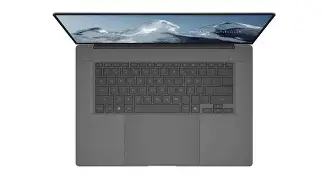
I also liked the Zenbook's port selection for a thin laptop: it has a few full-size ports that made it convenient to plug in peripherals without hunting for adapters. For web conferencing and casual content viewing, the speakers and webcam were perfectly serviceable — not best-in-class, but reliable.
Asus Zenbook A16 — What bothered me
Where the Zenbook disappointed was in sustained heavy work. When I pushed it with long video exports or prolonged rendering, performance was good initially but started to taper as thermals kicked in. I experienced more aggressive fan curves and occasional CPU throttling during extended workloads compared with the XPS. The display, while fine for everyday use, didn't quite match the depth and color accuracy of the XPS when I was color-grading. Also, the chassis felt a touch less premium in hand — not flimsy, but not as luxe as the XPS.
Find top-rated Laptops & Computers products at great prices.
See Deals →
Pros & Cons
Dell XPS 16 2026 — Pros
- Strong, premium build quality and solid hinge.
- Excellent high-quality display that shines in creative work.
- Robust performance for intensive tasks and faster exports in my tests.
- Consistent cooling behavior under load.
- Comfortable large trackpad and responsive typing experience for short sessions.
Dell XPS 16 2026 — Cons
- Shorter battery life under bright display settings.
- Keyboard travel is shallow — can lead to finger fatigue after long typing sessions.
- Webcam struggles in low light compared with competitors.
- Heavier to carry for long commutes or travel days.
Asus Zenbook A16 — Pros
- Lightweight and travel-friendly; easy to carry all day.
- Excellent battery life in my day-to-day use.
- Comfortable keyboard for longer typing sessions.
- Practical port selection for a thin laptop.
- Good value when balancing portability and performance.
Asus Zenbook A16 — Cons
- Thermals lead to noticeable throttling during sustained heavy workloads.
- Display is competent but less color-accurate and less bright than the XPS.
- Chassis feels less premium compared with the XPS.
- Speakers are okay but lack the depth I preferred in the XPS.
Quick comparison table
| Dell XPS 16 2026 | Asus Zenbook A16 | |
|---|---|---|
| Design & Build | Heavier, premium materials, very rigid chassis | Lighter, thin profile, practical but less luxurious |
| Display | Punchier colors and deeper contrast — great for creators | Good for productivity and media, but not as color-accurate |
| Performance | Stronger sustained performance for editing and exports | Good burst performance; can throttle under long loads |
| Thermals | Consistent cooling, audible fans under load | Fans ramp quickly; more thermal throttling observed |
| Battery Life | Average for its class under heavy screen use | Longer on light-to-moderate use; great for travel |
| Keyboard & Trackpad | Large trackpad; keyboard is shallow but responsive | Comfortable keyboard with slightly more travel; responsive trackpad |
| Ports | Good selection but expect USB-C focus | Practical set of ports including some full-size options |
| Speakers & Webcam | Strong speakers; webcam decent but soft in low light | Speakers adequate; webcam serviceable for calls |
| Best for | Content creators, power users who edit on the go | Frequent travelers and writers who prioritize battery life |
Buying guide — what to consider
When deciding between these two, ask yourself what you value most in daily use. I walked through several decision points before choosing which laptop to use for different scenarios, and those same questions helped me avoid buyer’s remorse.
1. How much portable power do you need?
If your day includes long editing sessions, batch exports, or running virtual machines, prioritize sustained performance and a better display. In my experience, the XPS handled long exports and multitasking more predictably. If you mostly write, browse, participate in video calls, and occasionally edit photos, the Zenbook's combination of adequate performance and long battery life is a better fit.
2. Is battery life a top priority?
I found the Zenbook lasted longer during airport work sessions and café days. If you need full-day battery autonomy …3. Do you value display quality for creative work?
For color-critical work, I reached for the XPS. The display's deeper contrast and richer colors made grading and retouching feel more reliable in my workflow. If your visual work needs precise color, the XPS saved me time in corrections and re-exports.
4. Comfort for typing and daily use
If you write for hours, the Zenbook’s keyboard was kinder to my hands. The XPS felt snappier and slightly firmer, but after many hours I noticed finger fatigue. If long typing sessions are a core part of your job, test the keyboard in-store or try a demo unit if possible.
5. Travel and weight considerations
I carried the Zenbook on trips more comfortably. The XPS is doable for travel, but if you’re often on planes, trains, and walking between meetings, the lighter Zenbook paid off. Consider whether you want the trade-off of a lighter machine versus the XPS's heavier but more powerful package.
6. Port selection and dongles
Think about peripherals. I appreciated the Zenbook’s inclusion of a couple of full-size ports — it meant fewer adapters when presenting or connecting older accessories. The XPS leans into modern, compact ports and docking solutions; if you prefer a streamlined single-dock setup, that shouldn’t be an issue.
Discover deals on Laptops & Computers — updated daily.
View Offers →7. Configuration choices
Both laptops benefit from higher RAM if you do heavy multitasking or work with large files; I recommend opting for more RAM rather than relying on swap when possible. Also prioritize a larger SSD if you work with media files. If display options are offered (e.g., higher-end panel vs. standard), pick the better panel if color fidelity matters to you — I regretted choosing a mid-tier screen once and wished for the editing headroom the premium panel offers.
8. Warranty and support
After months of daily use, I've had to contact support for a minor software issue on one of the machines. Warranty and support responsiveness mattered — check the options for extended coverage if you rely on your laptop for professional work. I felt reassured having a reasonably comprehensive warranty for the XPS given how often I push hardware limits.
Real-world scenarios — which one I used when
To give you a practical sense of how each fit into my life: for multi-hour editing sessions and any task where colors and performance mattered, I used the XPS at my desk. For travel days, long meetings, and writing drafts in coffee shops, the Zenbook was my companion. There were days I stood up from the couch and grabbed the Zenbook to respond to emails because it felt unobtrusive, and days I intentionally sat down at my desk and opened the XPS when I knew I had a heavy workload.
Conclusion
After using both machines for several months, my conclusion is straightforward: choose the Dell XPS 16 2026 if you want a compact desktop-replacement with a superior display and more sustained performance, and you don't mind carrying a bit more weight or bringing a charger on heavy days. Choose the Asus Zenbook A16 if portability and battery life matter more to you, and your workload is moderate rather than constantly CPU/GPU-intensive.
In my experience, neither is perfect — the XPS traded battery endurance for a better screen and consistent power, and the Zenbook traded thermal headroom for portability. Both are solid laptops in their respective roles, and if you pick the one that aligns with your daily needs, you'll be happy with the choice. Personally, I still keep both: the Zenbook for travel and quick days out of the office, and the XPS for the heavy lifting at my desk.